Pluto Press
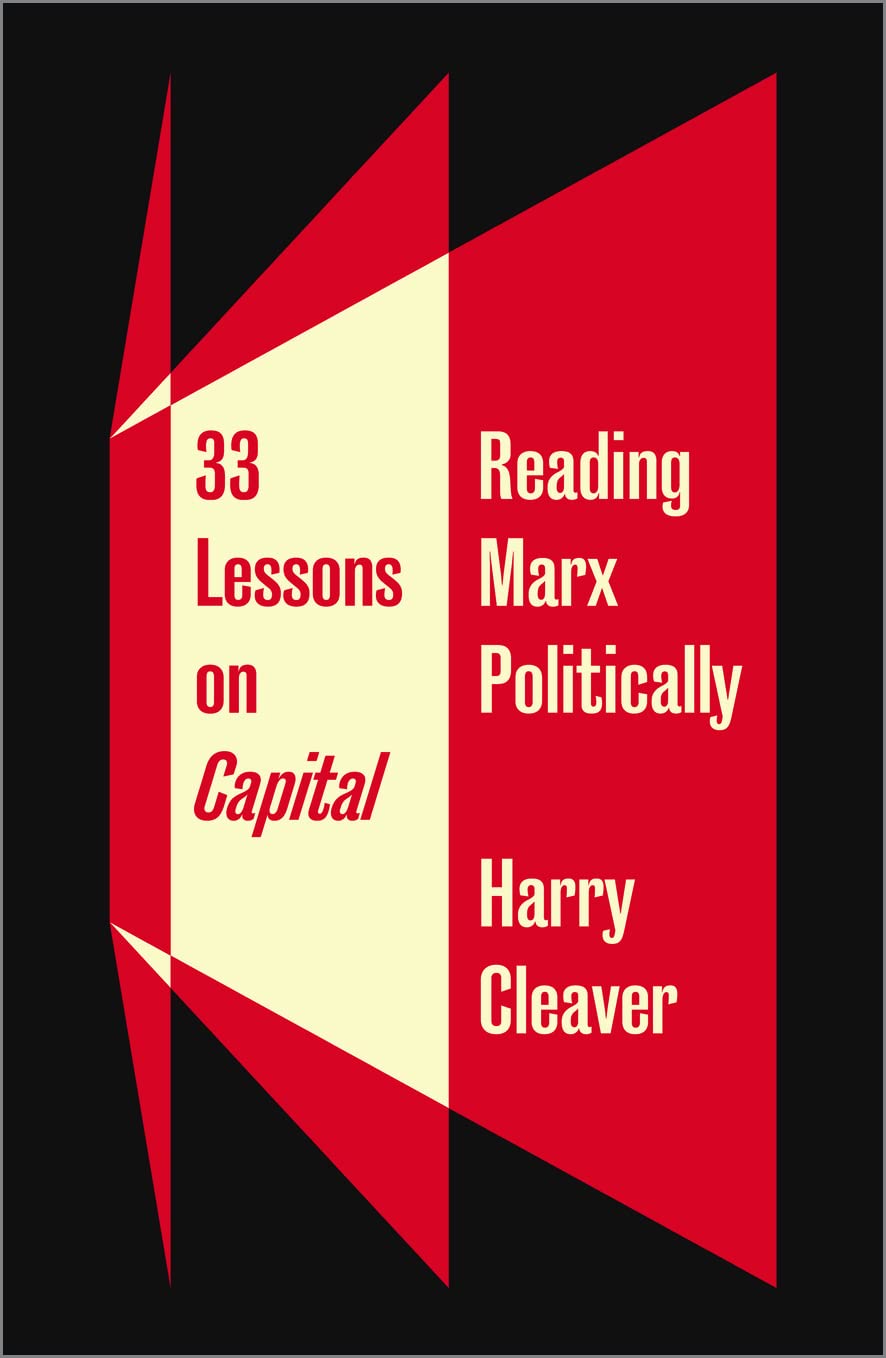
33 Lessons on Capital: Reading Marx Politically
Regular price
$17.95 USD
Regular price
Sale price
$17.95 USD
Unit price
per
Shipping calculated at checkout.
Couldn't load pickup availability
Title: 33 Lessons on Capital: Reading Marx Politically
Author: Harry Cleaver
ISBN: 9780745339979
Publisher: Pluto Press
Published: 2019
Binding: Paperback
Language: English
Number of Pages: 528
Condition Note: Excellent, unmarked copy with little wear and tight binding. We ship in recyclable American-made mailers. 100% money-back guarantee on all orders.
Publisher Description: This book provides an up-to-date reading of Capital Volume I, emphasizing the relevance of Marx's analysis to everyday twenty-first century struggles. Harry Cleaver's treatise outlines and critiques Marx's analysis chapter by chapter. His unique interpretation of Marx's labour theory of value reveals how every theoretical category of Capital designates aspects of class struggle in ways that help us resist and escape them. At the same time, while rooted within the tradition of workerism, he understands the working class to include not only the industrial proletariat but also unwaged peasants, housewives, children and students. A challenge to scholars and an invaluable resource for students and activists today.
Author: Harry Cleaver
ISBN: 9780745339979
Publisher: Pluto Press
Published: 2019
Binding: Paperback
Language: English
Number of Pages: 528
Condition Note: Excellent, unmarked copy with little wear and tight binding. We ship in recyclable American-made mailers. 100% money-back guarantee on all orders.
Publisher Description: This book provides an up-to-date reading of Capital Volume I, emphasizing the relevance of Marx's analysis to everyday twenty-first century struggles. Harry Cleaver's treatise outlines and critiques Marx's analysis chapter by chapter. His unique interpretation of Marx's labour theory of value reveals how every theoretical category of Capital designates aspects of class struggle in ways that help us resist and escape them. At the same time, while rooted within the tradition of workerism, he understands the working class to include not only the industrial proletariat but also unwaged peasants, housewives, children and students. A challenge to scholars and an invaluable resource for students and activists today.