World Bank Publications
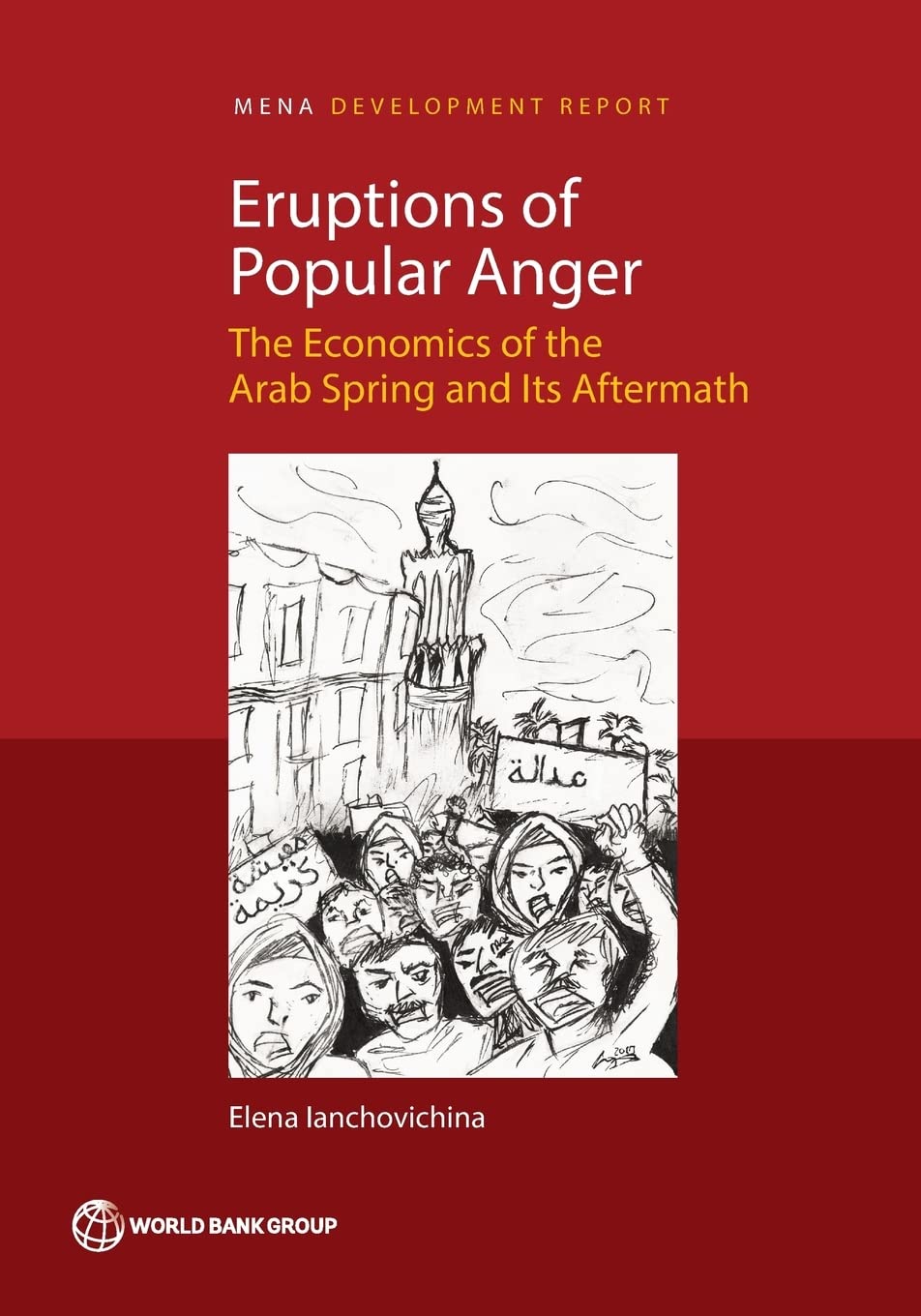
Eruptions of Popular Anger: The Economics of the Arab Spring and Its Aftermath
Couldn't load pickup availability
Author: Elena Lanchovichina
ISBN: 9781464811524
Publisher: World Bank Publications
Published: 2018
Binding: Paperback
Language: English
Condition Note: Clean, unmarked copy with some edge wear. Good binding. Dust jacket included if issued with one. We ship in recyclable American-made mailers. 100% money-back guarantee on all orders.
Publisher Description:
Eruptions of Popular Anger: The Economics of the Arab Spring and Its Aftermath sets out to answer three puzzles--the "Arab inequality" puzzle of civil uprisings in countries with low-to-moderate and stagnant economic inequality, the "unhappy development" paradox of increasing dissatisfaction at a time of moderate-to-rapid development, and the paradox of political violence in middle-income countries. The book's empirical investigation rules out high and rising inequality as a reason for the Arab Spring uprisings. It shows that the real problem was the erosion in middle-class incomes and the growing dissatisfaction with the quality of life, the shortage of formal sector jobs, and corruption. Frustration was particularly high among the young, educated, middle-class residents in urban areas. The old social contract, which had delivered development results in the past and under which Arab governments provided public-sector jobs and subsidized services in return for subdued voice, was unsustainable and malfunctioning. The public sector could no longer be the employer of choice, but the private sector did not generate enough formal sector jobs, because of distortions that constrained its growth and policies that offered advantages to a few firms with political connections, limiting competition and private investment. The breakdown in the social contract increased the premium on freedom and created impetus for political change. This report shows that the Arab Spring revolutions and the subsequent spread of violence and civil wars in the post-Arab Spring Middle East and North Africa region can be traced to the broken social contract, institutional weaknesses, and regional divisions in societies polarized along ethnic and sectarian lines. The Arab Spring and its aftermath indicate the need for a new social contract under which governments promote private-sector job creation, design public services in a way that holds providers accountable to beneficiaries, and promote inclusion and good governance.