Atlantic Monthly Press
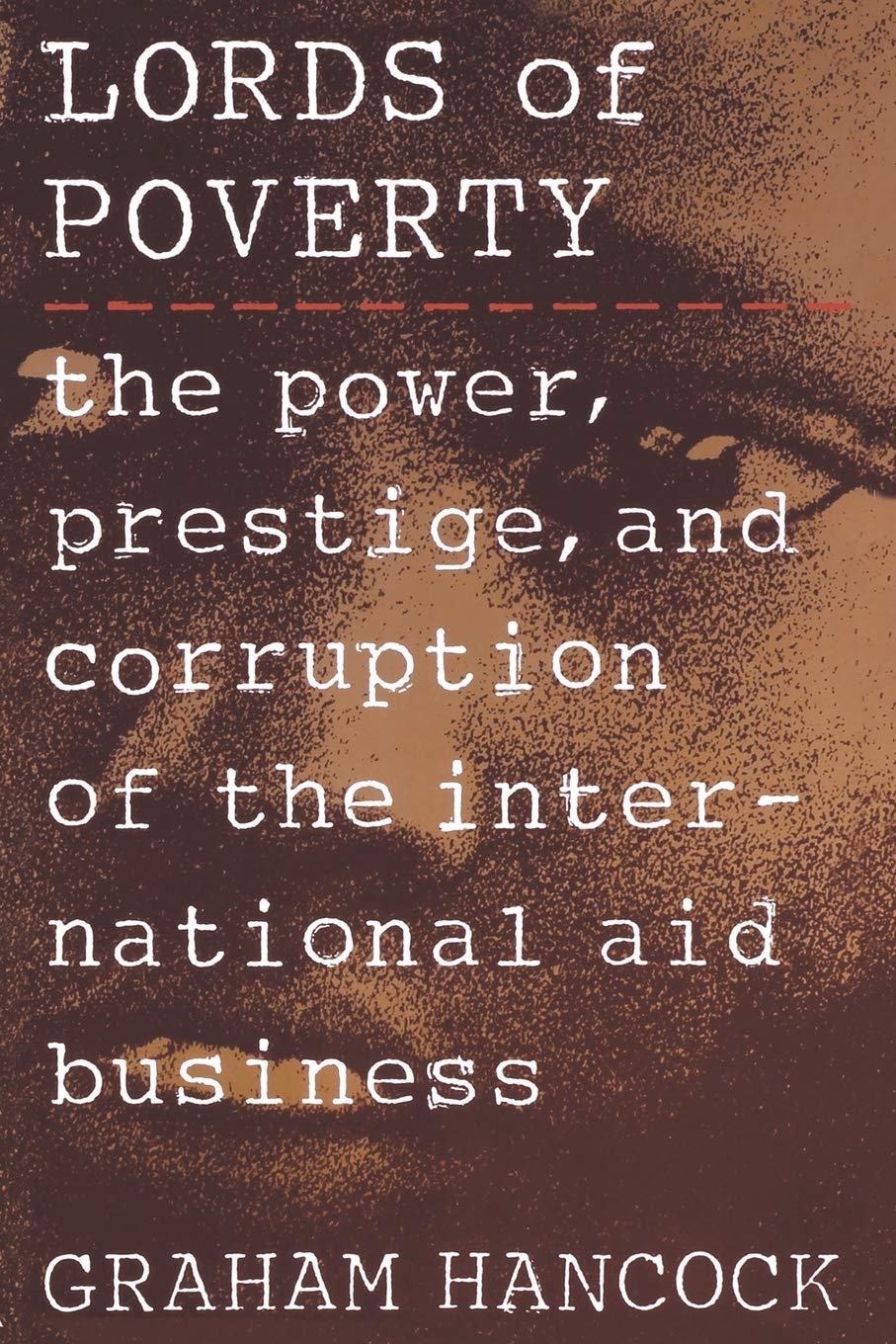
Lords of Poverty: The Power, Prestige, and Corruption of the International Aid Business
Regular price
$10.95 USD
Regular price
Sale price
$10.95 USD
Unit price
per
Shipping calculated at checkout.
Couldn't load pickup availability
Title: Lords of Poverty: The Power, Prestige, and Corruption of the International Aid Business
Author: Graham Hancock
ISBN: 9780871134691
Publisher: Atlantic Monthly Press
Published: 1994
Binding: Paperback
Language: English
Edition: Reprint
Number of Pages: 256
Condition Note: Clean, unmarked copy with some edge wear. Good binding. Dust jacket included if issued with one. We ship in recyclable American-made mailers. 100% money-back guarantee on all orders.
Publisher Description: Each year some sixty billion dollars are spent on foreign aid throughout the world. Whether in donations to charities such as Save the Children, Oxfam, CARE, UNICEF, or the Red Cross, in the form of enormous loans from the World Bank, or as direct payments from one government to another, the money is earmarked for the needy, for relief in natural disasters--floods or famines, earthquakes, or droughts--and for assistance in the development of nations. The magnitude of generosity from the world's wealthy nations suggests the possibility of easing, if not eliminating, hunger, misery, and poverty; in truth, however, only a small portion of this sixty billion dollars is ever translated into direct assistance. Thanks to bureaucratic inefficiency, misguided policies, large executive salaries, political corruption, and the self-perpetuating "overhead" of the administrative agencies, much of this tremendous wealth is frittered away, as Graham Hancock's alarming and comprehensive book reveals. Hancock cuts through the smoke screens and hot air of the "aristocracy of mercy" to provide a critical look at a multinational business that has never been subject to strict accountability. Lords of Poverty is a case study in betrayals of a public trust. The shortcomings of aid are numerous, and serious enough to raise questions about the viability of the practice at its most fundamental levels. Hancock's report is thorough, deeply shocking, and certain to cause critical reevaluation--of the government's motives in giving foreign aid, and of the true needs of our intended beneficiaries.
Author: Graham Hancock
ISBN: 9780871134691
Publisher: Atlantic Monthly Press
Published: 1994
Binding: Paperback
Language: English
Edition: Reprint
Number of Pages: 256
Condition Note: Clean, unmarked copy with some edge wear. Good binding. Dust jacket included if issued with one. We ship in recyclable American-made mailers. 100% money-back guarantee on all orders.
Publisher Description: Each year some sixty billion dollars are spent on foreign aid throughout the world. Whether in donations to charities such as Save the Children, Oxfam, CARE, UNICEF, or the Red Cross, in the form of enormous loans from the World Bank, or as direct payments from one government to another, the money is earmarked for the needy, for relief in natural disasters--floods or famines, earthquakes, or droughts--and for assistance in the development of nations. The magnitude of generosity from the world's wealthy nations suggests the possibility of easing, if not eliminating, hunger, misery, and poverty; in truth, however, only a small portion of this sixty billion dollars is ever translated into direct assistance. Thanks to bureaucratic inefficiency, misguided policies, large executive salaries, political corruption, and the self-perpetuating "overhead" of the administrative agencies, much of this tremendous wealth is frittered away, as Graham Hancock's alarming and comprehensive book reveals. Hancock cuts through the smoke screens and hot air of the "aristocracy of mercy" to provide a critical look at a multinational business that has never been subject to strict accountability. Lords of Poverty is a case study in betrayals of a public trust. The shortcomings of aid are numerous, and serious enough to raise questions about the viability of the practice at its most fundamental levels. Hancock's report is thorough, deeply shocking, and certain to cause critical reevaluation--of the government's motives in giving foreign aid, and of the true needs of our intended beneficiaries.