Watkins Publishing
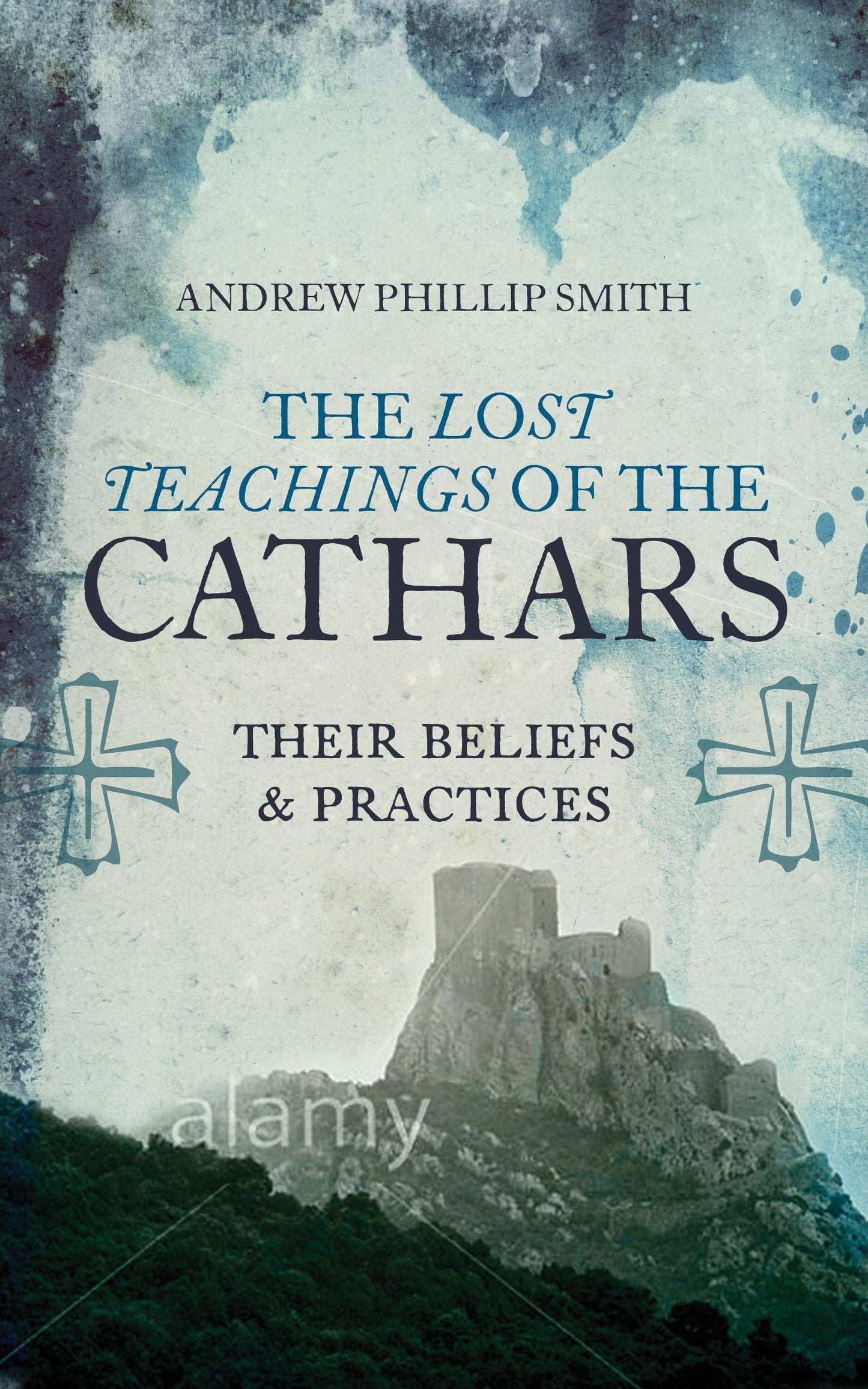
Lost Teachings of the Cathars: Their Beliefs and Practices
Regular price
$12.95 USD
Regular price
Sale price
$12.95 USD
Unit price
per
Shipping calculated at checkout.
Couldn't load pickup availability
Title: Lost Teachings of the Cathars: Their Beliefs and Practices
Author: Andrew Phillip Smith
ISBN: 9781780287157
Publisher: Watkins Publishing
Published: 2015
Binding: Paperback
Language: English
Edition: Annotated
Number of Pages: 256
Condition Note: Clean, unmarked copy with some edge wear. Good binding. Dust jacket included if issued with one. We ship in recyclable American-made mailers. 100% money-back guarantee on all orders.
Publisher Description: A deep-dive into the history, culture, and legacy of the medieval Christian dualist movement, Catharism--as seen in popular novels by Dan Brown and Kate Mosse Centuries after the brutal slaughter of the Cathars by papally endorsed Northern French forces, and their suppression by the Inquisition, the medieval Cathars continue to exert a powerful influence on both popular culture and spiritual seekers. Yet few people know anything of the beliefs of the Cathars beyond vague notions that they believed in reincarnation, were vegetarians, were somehow Gnostic, and had some relation to Mary Magdalene. The Lost Teachings of the Cathars explores the history of this Christian dualist movement between the twelfth and fourteenth centuries, offering a sympathetic yet critical examination of its beliefs and practices. In addition to investigating the Cathars' origin, their relationship to Gnosticism, and their possible survival of the Inquisition, author Andrew Philip Smith also addresses theories and figures from the Cathars' recent past. Eccentric esotericists initiated a neo-Cathar revival in the Languedoc which inspired the philosopher Simone Weil. The German Otto Rahn--the real-life Indiana Jones--believed that the Cathars were protectors of the Holy Grail and received support from Heinrich Himmler. Meanwhile, English psychiatrist Arthur Guirdham became convinced that he and a circle of patients had all been Cathars in previous lives. Tourists flock to the Languedoc to visit Cathar country. Bestsellers such as Kate Mosse' timeslip novel Labyrinth continue to fascinate readers. But what did the Cathars really believe and practice?
Author: Andrew Phillip Smith
ISBN: 9781780287157
Publisher: Watkins Publishing
Published: 2015
Binding: Paperback
Language: English
Edition: Annotated
Number of Pages: 256
Condition Note: Clean, unmarked copy with some edge wear. Good binding. Dust jacket included if issued with one. We ship in recyclable American-made mailers. 100% money-back guarantee on all orders.
Publisher Description: A deep-dive into the history, culture, and legacy of the medieval Christian dualist movement, Catharism--as seen in popular novels by Dan Brown and Kate Mosse Centuries after the brutal slaughter of the Cathars by papally endorsed Northern French forces, and their suppression by the Inquisition, the medieval Cathars continue to exert a powerful influence on both popular culture and spiritual seekers. Yet few people know anything of the beliefs of the Cathars beyond vague notions that they believed in reincarnation, were vegetarians, were somehow Gnostic, and had some relation to Mary Magdalene. The Lost Teachings of the Cathars explores the history of this Christian dualist movement between the twelfth and fourteenth centuries, offering a sympathetic yet critical examination of its beliefs and practices. In addition to investigating the Cathars' origin, their relationship to Gnosticism, and their possible survival of the Inquisition, author Andrew Philip Smith also addresses theories and figures from the Cathars' recent past. Eccentric esotericists initiated a neo-Cathar revival in the Languedoc which inspired the philosopher Simone Weil. The German Otto Rahn--the real-life Indiana Jones--believed that the Cathars were protectors of the Holy Grail and received support from Heinrich Himmler. Meanwhile, English psychiatrist Arthur Guirdham became convinced that he and a circle of patients had all been Cathars in previous lives. Tourists flock to the Languedoc to visit Cathar country. Bestsellers such as Kate Mosse' timeslip novel Labyrinth continue to fascinate readers. But what did the Cathars really believe and practice?