Arcadia Publishing
Lunenburg
Regular price
$7.95 USD
Regular price
Sale price
$7.95 USD
Unit price
per
Shipping calculated at checkout.
Couldn't load pickup availability
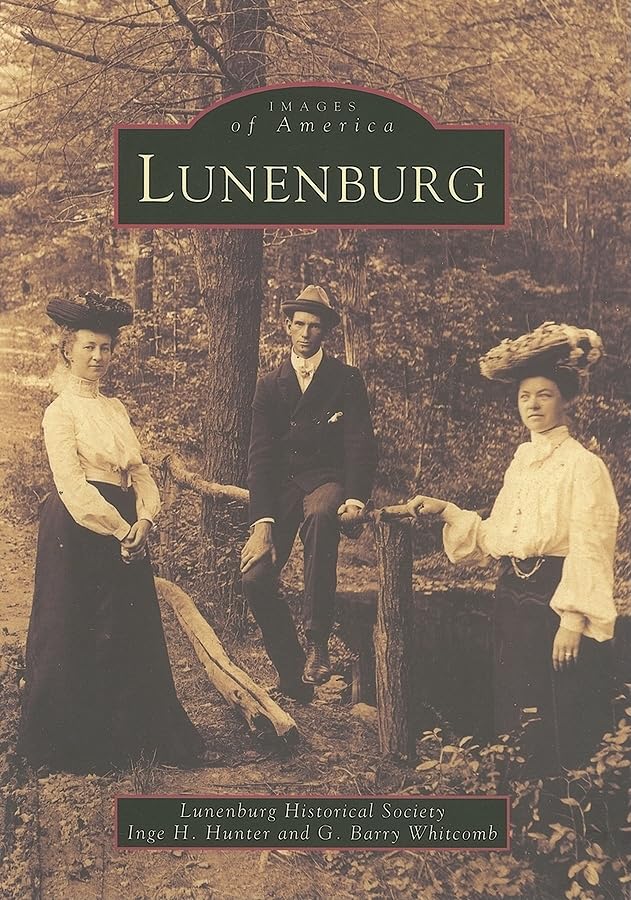
Title: Lunenburg
Author: Lunenburg Historical Society
American History: 1718617
ISBN: 9780738509532
Publisher: Arcadia Publishing
Published: 2001
Binding: Paperback
Language: English
Number of Pages: 128
Condition Note: Excellent, unmarked copy with little wear and tight binding. We ship in recyclable American-made mailers. 100% money-back guarantee on all orders.
Publisher Description: The name Luneburg was coined for King George II of England, who was also the duke of Luneburg, Germany, in 1727. The final name, Lunenburg, was probably a result of misspelling in the early records of the town. On August 1, 1728, Lunenburg was officially granted township but, as early as 1726, a variety of industries had been started and twenty-six houses had been built. In the late nineteenth century, the town returned to predominately agriculture and, today, is a rural residential community for industries in neighboring cities. Through a diverse collection of vintage images, Lunenburg will take you on a historical journey through the town's engaging past. Within these pages, you will see photographs of the early businesses that were established, such as bookbinders, blacksmiths, furniture makers, and shoe manufacturers; you will visit many homes, churches, schools and government buildings; and you will experience the daily lives of residents during this exciting time in history.
Author: Lunenburg Historical Society
American History: 1718617
ISBN: 9780738509532
Publisher: Arcadia Publishing
Published: 2001
Binding: Paperback
Language: English
Number of Pages: 128
Condition Note: Excellent, unmarked copy with little wear and tight binding. We ship in recyclable American-made mailers. 100% money-back guarantee on all orders.
Publisher Description: The name Luneburg was coined for King George II of England, who was also the duke of Luneburg, Germany, in 1727. The final name, Lunenburg, was probably a result of misspelling in the early records of the town. On August 1, 1728, Lunenburg was officially granted township but, as early as 1726, a variety of industries had been started and twenty-six houses had been built. In the late nineteenth century, the town returned to predominately agriculture and, today, is a rural residential community for industries in neighboring cities. Through a diverse collection of vintage images, Lunenburg will take you on a historical journey through the town's engaging past. Within these pages, you will see photographs of the early businesses that were established, such as bookbinders, blacksmiths, furniture makers, and shoe manufacturers; you will visit many homes, churches, schools and government buildings; and you will experience the daily lives of residents during this exciting time in history.